EN
  • English
  • Hindi
  • Assamese
csir-new-logo
सीएसआईआर - उत्तर पूर्व विज्ञान एवं प्रौद्योगिकी संस्थान
CSIR-North East Institute of Science and Technology

Bio-Technology Group

Highlight of the Group:
Data sciences has emerged as a critical technology for all Biotechnology Group, BSTD is a multi-disciplinary and strong R&D group dedicated to the use of microorganisms, plants and insects or living system and their products to develop useful products/process for benefit of the society. The Biotechnology group has a state-of-the-art infrastructure laboratory facility for bio-profiling and bio-prospecting with conducive and excellent working environment. The group is actively engaged in both basic and applied research by highly experienced professional scientists in different frontier areas of biotechnology.

Research activities of the group include::

  • Biofertilizer
  • Metabolic engineering.
  • Muga/Seri-biotechnology.
  • Drug resistance & Therapeutics.
  • Biocontrol of pest and diseases.
  • Microbial diversity and taxonomy
  • Enzymology and biotransformation
  • Molecular plant-microbes interactions
  • Bacterial genomics (including metagenomics)
  • Bioactive molecules from microbes, plants & insects
  • Abiotic and Biotic Stress Biotechnology and Functional Genomics
  • Bioremediation and phytoremediation of crude oil & acid mine contaminated soil
  • Study the role of environmental pollution on human respiratory disorder
  • Identification and Classification of Forest Ecosystem of entire Assam and other parts of North East India
  • Structural Bioinformatics and Molecular Modeling (Docking, MD simulation), Pharmacogenomics (drug design and therapeutic targets identification), modeling, building and exploration of biological networks, Biological database creation, Proteomics, Metagenomics and Human Genome variation analysis.

The group is maintaining a stock culture collection of indigenous microbes isolated from North East gene pool. The Group has a good numbers of research projects funded by CSIR, CSB, DRDO, DBT, DST, ICAR, ONGC, OIDB, Oil India Ltd etc.

A number of technologies have been transferred to industries for commercialization leading to the societal benefit. The Group has collaboration with a number of reputed national and international institutes/universities and conducts workshop and seminars regularly.

The Group enrol both foreign and Indian students regularly in PhD programme having brilliant academic credentials under different universities and in AcSIR (the Academy of Scientific & Innovative Research).

The group has a DBT-sponsored Bioinformatics Infrastructure Facility (BIF) and a Biotech-Hub facility which cater the needs of researchers and students communities on genomics, proteomics, application to the development of drugs/ drug designing, anti-microbial agents, microbial taxonomic data analysis, mathematical modelling/data analysis, etc.

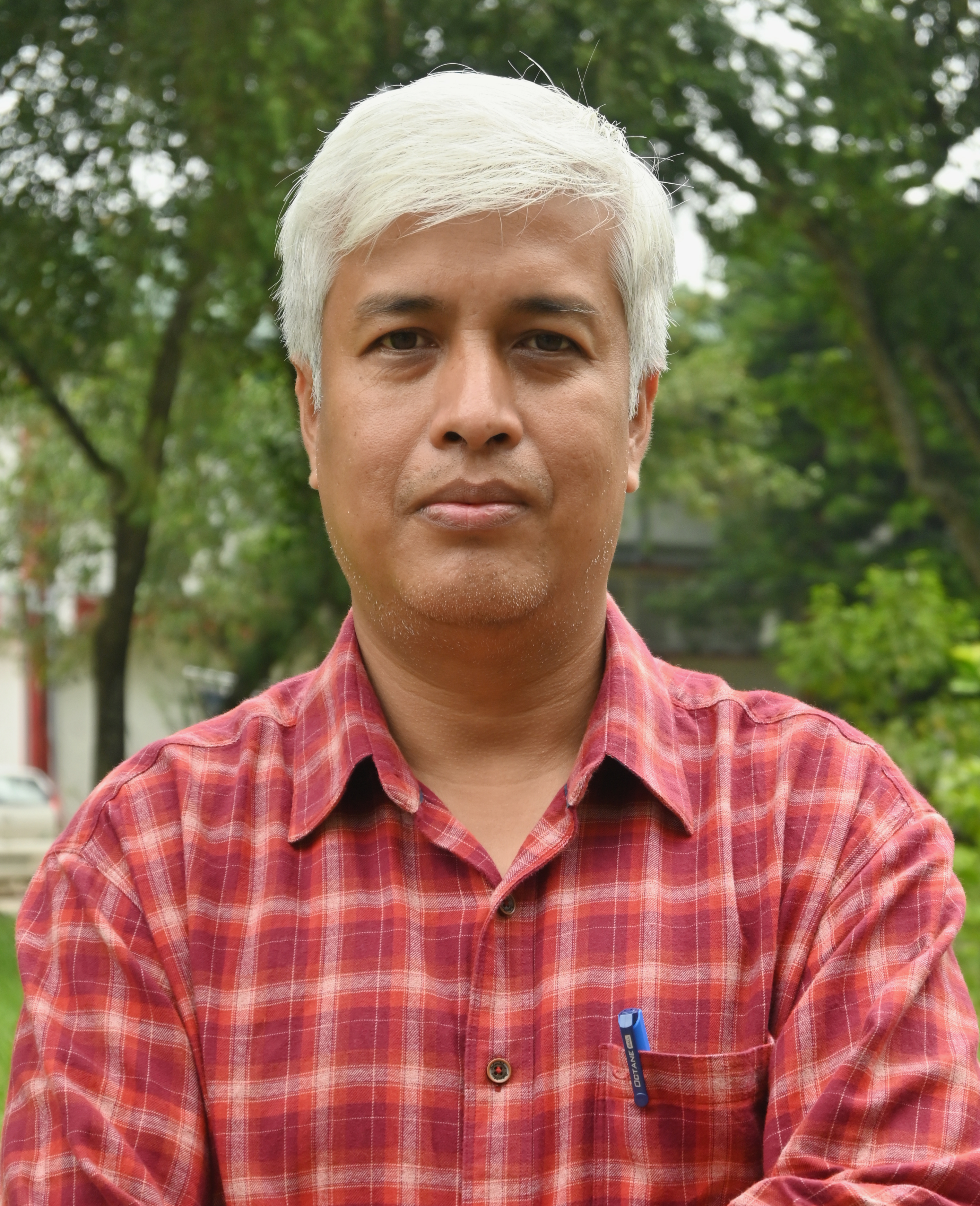
Head of the Division

Dr Ratul Saikia

Chief Scientist

Education :Ph D (Biotechnology)

ID. No.: 1058

Email: ratulsaikia@neist.res.in, rsaikia19@gmail.com

contact No : +91 0376-2370121extn 2344 Fax : +91 0376 2370011

Area's of Interest : Bacterial Genomics, Molecular plant-microbe interactions
Scientists

Dr Rituraj Konwar

Principal Scientist

Education :Ph D

ID. No.: 1292

contact No : +91 0376-2370121extn 2344 Fax : +91 0376 2370011

Area's of Interest :
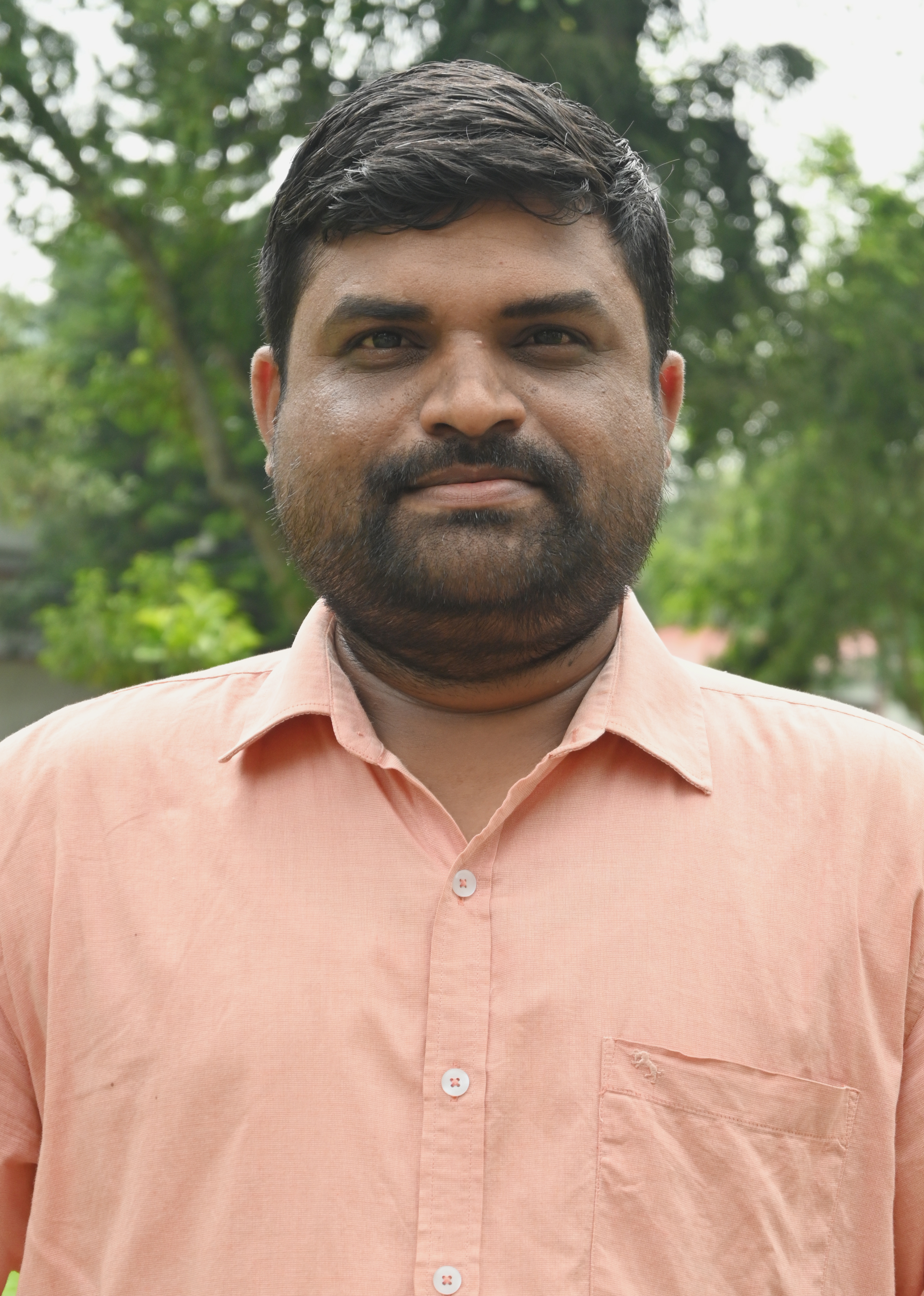
Dr. Channa Chikkaputtaiah

Senior Principal Scientist & Professor (AcSIR)

Education :PhD (Dr. rer. nat.) (Molecular Genetics)

ID. No.: 1261

Email: channa.chikkaputtaiah.neist@csir.res.in

contact No : +91 376 2372951 Ext. 2348 Fax : +91 0376 2370011

Area's of Interest : Molecular Cell Biology, Functional Genomics and CRISPR/Cas based Genome Engineering for Stress Tolerance and Genetic Improvement of Quality Traits in Plants. Personal Webpage: Labwebpage link

Dr Anil Kumar Singh

Principal Scientist & Associate Professor

Education : Ph.D. (Life sciences), Bose Institute, Kolkata, India
Post-Doctoral Fellow, NECKER Institute (INSERM), Paris, France

ID. No.: 1225

Email: anil@neist.res.in, 1010anil@gmail.com

contact No : +91-(0)376-2372951 +91-8876954752

Area's of Interest : Mechanistic understanding of bacterial drug resistance in human and animals, Development of therapeutics and diagnostics against resistant bacteria, Microbial Genetics and gene regulation, Environmental microbiology, Clinical microbiology and bacterial genomics
Dr Sachin Rameshrao Geed

Scientist

Education :B.Tech - Chemical Engineering, LIT Nagpur, M.Tech & Ph.D.- Chemical Engineering and Technology, IIT (BHU) Varanasi Scientist

ID. No.: 1303

Email: sachingeed23@gmail.com, sachingeed@neist.res.in

contact No : +91 0376-2370121 /Fax : +91 0376 2370011

Area's of Interest : Bioremediation of petroleum waste, Remediation of emerging pollutants, Growth and inhibition Modeling of biological processes, Microbial strain enrichment for sustainable bio-treatment of organic waste, Bioprocesses design and development forindustrial wastetreatment, Biosurfactant, Development hybrid biological processes for industrial waste/ wastewater treatment, Mass transfer studies, Supercritical extraction,Bioreactor and Biofilter performance evaluation.
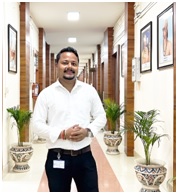
Dr. Prachurjya Dutta

Scientist

Education : PhD (Biological Sciences), Academy of Scientific & Innovative Research (AcSIR)

ID. No.: 1339

Email: prachurjya@neist.res.in, duttaprachurjya@gmail.com

contact No : +91 376 2370121 (ext-2951), Fax : +91 0376 2370011

Area's of Interest : Entomophagy and Entomotherapy, Identification and characterization of entomo-pharmaceutical bio-actives, Development ofprocesses for value-addition of insect-based products, Waste to wealth, Bio-pesticides (stored grain pest management), IoT-based detection of insects.
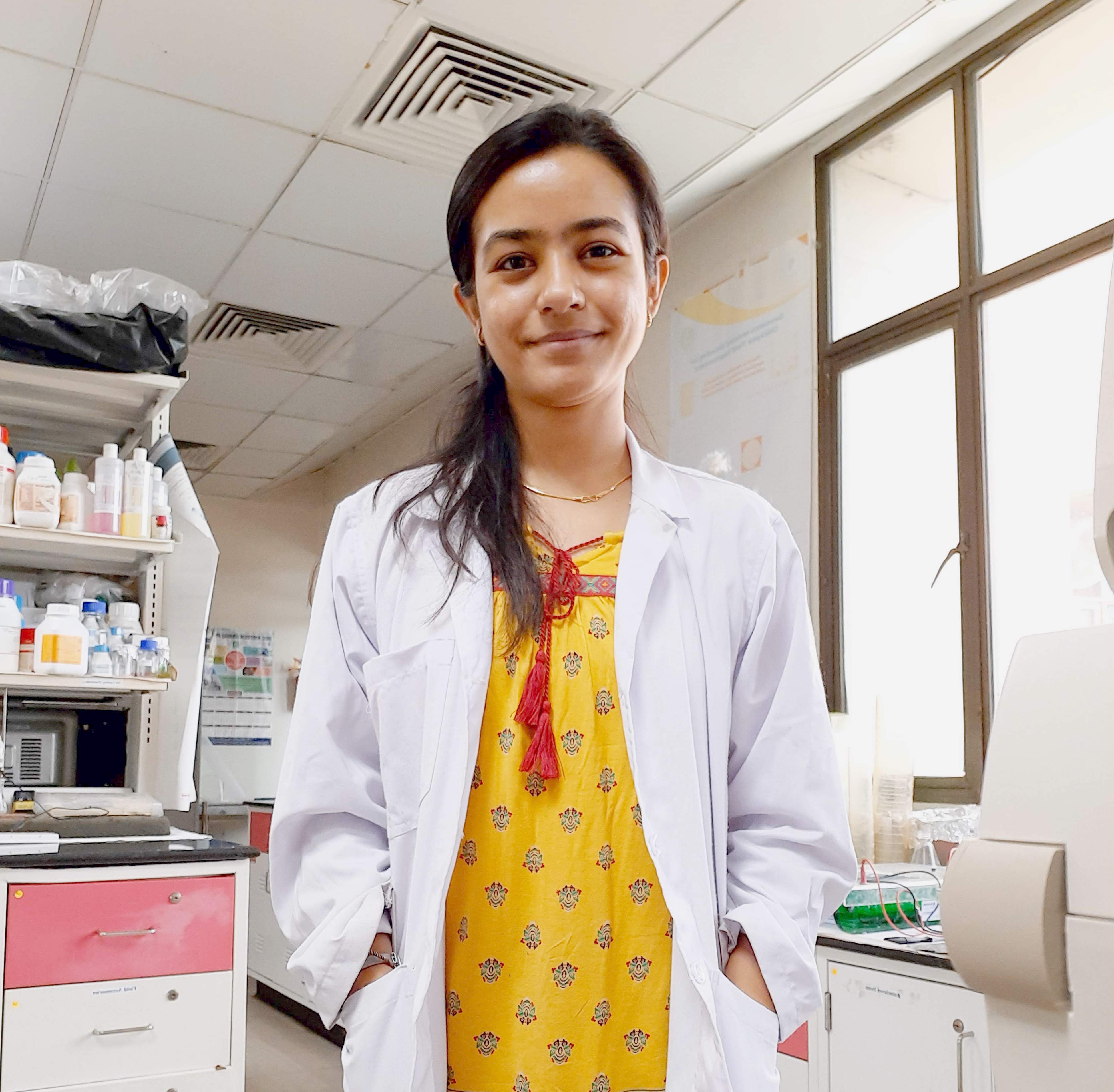
Dr Udita Basu

Scientist

Education : PhD (Biological Sciences)

ID. No.: 1344

contact No : 91 376 2370121 (ext-2951), Fax : +91 0376 2370011

Area of Interest : Decoding genomic variants of economically important North-eastern flora Integrated genomics and machine learning approaches to identify superior alleles governing plant response to external cues Understanding the role of non-coding transcript landscape in plant development and stress management.
Technical Officers

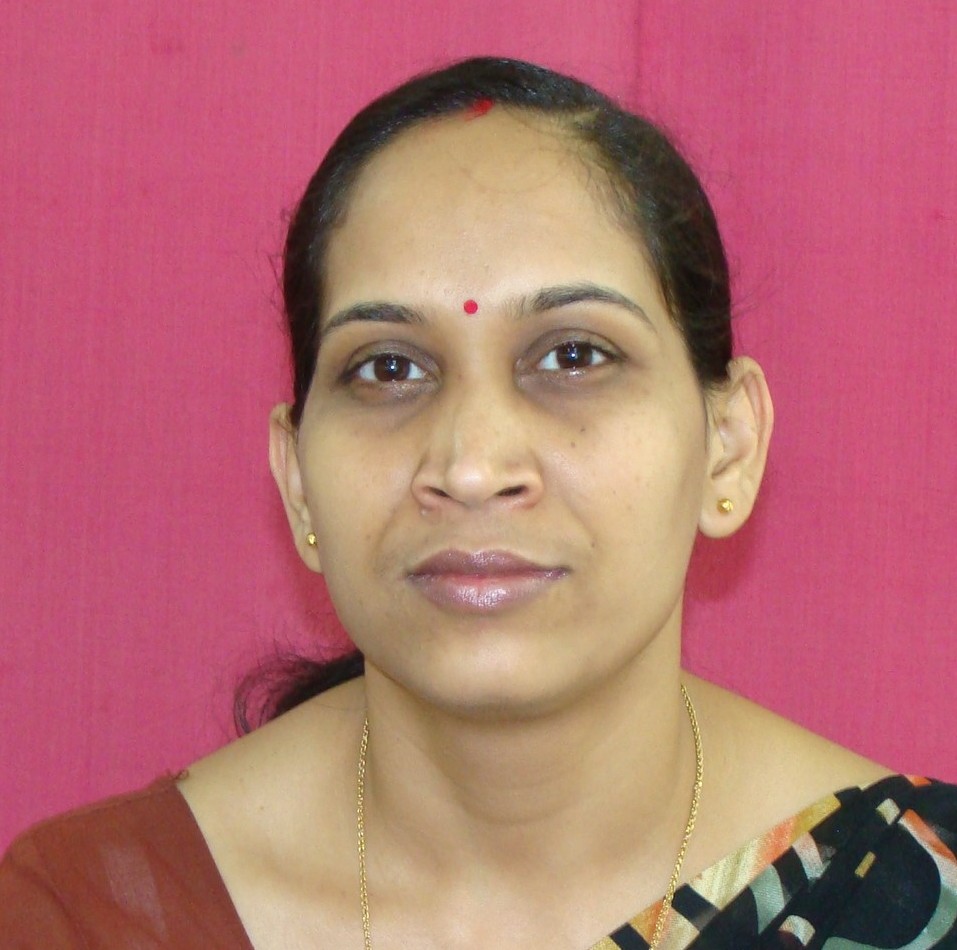
Ms Archana Yadav

Technical Officer

Education :M Sc (Biochemistry)

ID. No.: 1005

Email: yadava@neist.res.in

contact No : +91 0376 2370121 extn 2341 Fax:0376-2370011

Area's of Interest :Biotechnology
Ms Polakshi Bordoloi

Technical Officer

Education :M Sc

ID. No.: 1004

Email: polakshi@neist.res.in

contact No : +91 0376 2370121 extn 2341 Fax:0376-2370011

Area's of Interest : Biotechnology

Dr Jyoti Lakshmi Hati Boruah

Senior Technical Officer(1)

Education :Ph.D.

ID. No.: 1282

Email:jyotilakshmihb@gmail.com

contact No : 03762371283(O) Extn: 2521 Fax:0376-237001
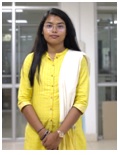
Miss Anita Kachari

Technical Assistant

Education :M.Sc (Microbiology)

ID. No.: 1325

Email: anitak@neist.res.in, kacharianita131@gmail.com

contact No : +91 0376 2370121 extn 2330 Fax:0376-2370011

Area's of Interest :of interest: Microbiology, Plant Molecular Biology and Biotechnology, Plant Tissue culture, CRISPR Technology.

R&D PROGRAMS

Ongoing R & D Programme:

  • 1.MLP 2000: Bio-profiling and bio-prospecting microbes, plants and insects from North East gene pool and their application potentials.
  • 2.GPP 0290: Isolation and characterization of antifungal peptides from muga silkworm Antheraea assamensis Helfer.
  • 3.GPP 0271: Detoxification of mustard seed based product through fermentation process based on North east traditional practices and their value addition.
  • 4. BSC 0105: New initiative to boost agriculture productivity through maximizing pre and post harvest yields (Agropathy).
  • 5. CSC 0106 : Biocatalyst for industrial application and greener organic synthesis (BIAGOS)
  • 6.CSC0116 : Photobiological process to produce bioenergy through carbon sequestration from atmosphere and wastewater.
  • 7. CSC 0131: Environmental Research Initiative for Paper and Process Industry (ERIPP) Sub Title: Clean Technology for Pulp Processing.
  • 8. GPP 0291: DNA fingerprinting of Lignocellulose degrading microbes isolated from protected forest areas of Assam and Mizoram.
  • 9. BSC 0109: Studying adaptation biology and understanding/exploiting medicinally important plants for useful bioactive (SIMPLE)
  • 10. BSC 0116: Therapeutics of Chronic obstructive pulmonary diseases (COPD) and related respiratory disorder (TREAT).
  • 11. GPP 0260: Screening and molecular characterization of microbial pathogen diversity of Staphylococci and development of diagnostic test for rapid detection.
  • 12.BSC 0111: Integrated NextGen Approaches in Health, Disease and Environmental Toxicity (INDEPTH).
  • 13. GAP 0733 : Investigate the molecular mechanism by which micronutrient supplementation improves glycemic status and reduces vascular inflammation in type 2 diabetes.
  • 14.GAP 0732 : Role of SAM Pointed Domain Containing ETS Transcription Factor (SPDEF) in distinguishing indolent from aggressive prostate cancer and in the improvement of resistance to conventional therapy of prostate cancer.
  • 15. BSC 0116 : Therapeutics of Chronic obstructive pulmonary diseases (COPD) and related respiratory disorder (TREAT).
  • 16. GPP 0260 : Screening and molecular characterization of microbial pathogen diversity of Staphylococci and development of diagnostic test for rapid detection.
  • 17.GAP 0733 : Investigate the molecular mechanism by which micronutrient supplementation improves glycemic status and reduces vascular inflammation in type 2 diabetes.
  • 18. GAP 0732 : Role of SAM Pointed Domain Containing ETS Transcription Factor (SPDEF) in distinguishing indolent from aggressive prostate cancer and in the improvement of resistance to conventional therapy of prostate cancer.
  • 19. GPP 0292: Mining the metagenome for bacterial diversity in extreme areas of NE India under (ICAR- AMAAS-Project).
  • 20. BSC 0117: Role of ACC-deaminase producing PGPR on alleviation of water stress affect on pulse crops (RAWS, under PMSI).
  • 21. SERB-RJN078/2014: Role of DEAD-Box RNA helicases in regulating multiple abiotic stress responses in model plant Arabidopsis thaliana.
  • 22. Testing facilities (water & soil).
  • 23. GPP-0200: Bioinformatics Infrastructure Facility (BIF Centre).
  • 24. GPP-0246: Institutional Biotechnology Hub.
  • 25. CLP0286: Development of commercial bioformulation of Plant Growth Promoting Rhizobacteria (PGPR) using Coir pith as carrier.

Acheivements

  • Isolated >700 strains from specific niches of Northeast India & screened for different biological properties like stress tolerance, IAA, ACC-deaminase, lipase, xylanase, cellulase, laccase etc.
  • Bioremediation of Crude oil contaminated land.
  • Few PGPR strains evaluated for nematode control in plant.
  • Isolated various strains having broad spectrum antimicrobial activity against Gram positive and Gram negative bacteria.
  • Full genome sequencing and complete analysis- Pseudomonas aeruginosa N002 (Crude oil degrading bacteria), Micromonospora sp. HK10 strain (Antibacterial compound producing Actinobacteria) and Streptomyces sp. RSD27 (isolated from Tawang).
  • Isolation, purification and bioassay of Staphylocoagulase against human blood
  • Isolation & characterization of antifungal peptides from muga silkworm Antheraea assamensis Helfer
  • Antimicrobial biosynthetic potential and genetic diversity of endophytic actinomycetes associated with medicinal plants.
  • Community profiling of culturable fluorescent pseudomonads in the rhizosphere of green gram.
  • Bacterial community profiling in different environmental niches of North-East India.
  • through Next-Generation Sequencing (Illumina MiSeq) approach.
  • Development of Plant based formulation for Control of Insect pest of Stored Pulses & Cereals.
  • Penicillium citrinum MTCC12422, fungal isolate, biotransformed artimisinin to deoxyartimisinin.
  • Methods for biomass production from screened microalgae were optimized.
  • Role of environmental pollutants in liver physiology: Special references to peoples living in the oil drilling sites of Assam
  • Six forest habitat: classification, diversity, soil and aboveground biomass were determined.
  • Studies with bacterial consortium (PGPR) as an enhancer for vegetable crops. The field experiments that were laid to see the potency of three bacterial strains having PGPR properties were found to be effective in increasing height, no. of leaves and biomass as compared to the control crops.

Research Facilities

  1. PCR
  2. HPLC
  3. Shaker
  4. RT-PCR
  5. Ice maker
  6. Incubator
  7. Fume hood
  8. Laminar Hood
  9. Lyophilizer
  10. Cold room
  11. Bioreactor
  12. Water bath
  13. Electroporator
  14. Orbital Shaker
  15. -20°C freezer
  16. 4°C Refrigerator
  17. -80°C Ultra freezer
  18. Biosafety Cabinet
  19. Micro plate reader
  20. Micro plate reader
  21. Cell Culture Facilities
  22. UV-Spectrophotometer
  23. Fluorescent Microscopy
  24. Milli Q- water purification system
  25. Molecular Imager Gel doc system
  26. DNA & Protein gel running apparatus
  27. Table top and refrigerated micro Centrifuge
  28. Plant Cell and Tissue Culture Facility